1. Identify the exact machine
Read the model designation from the machine nameplate rather than relying on the color or the brand on the body. Include any relevant variant or serial information requested during the compatibility check. A machine family may contain configurations with different brush requirements.
2. Record the existing brush
Look for a readable label or part number. Photograph the whole brush, the cleaning face and the mounting side. Keep your own inventory SKU separate from the manufacturer’s part reference. A number copied from an unverified listing is not proof of compatibility.
3. Measure the right dimensions
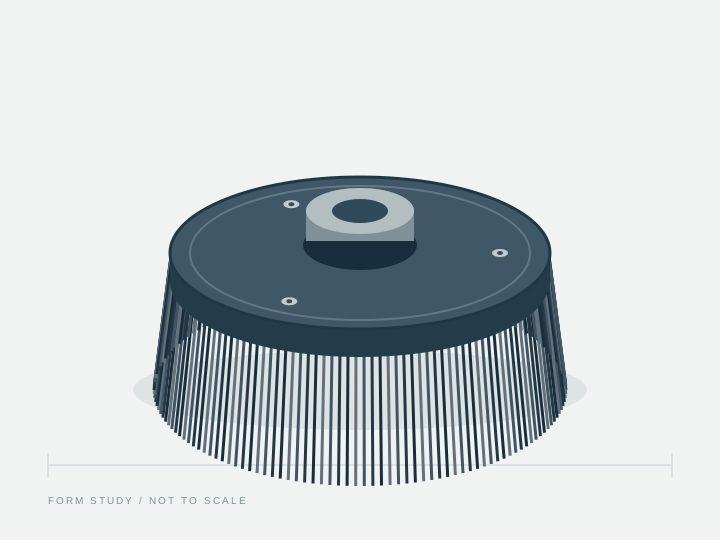
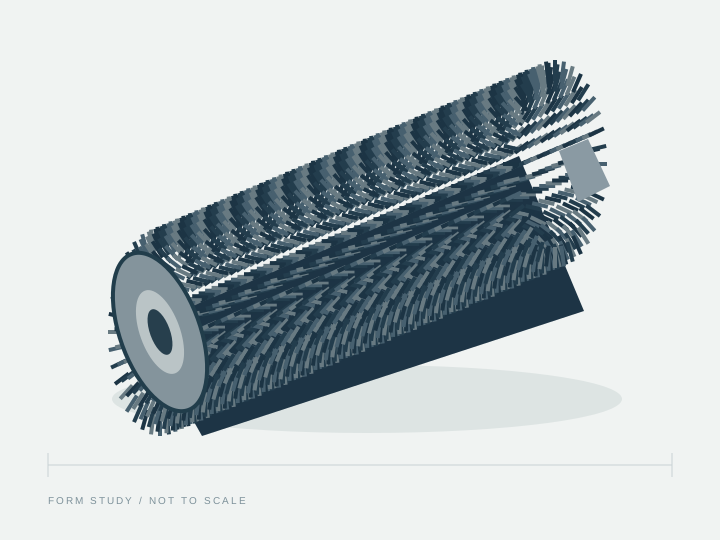
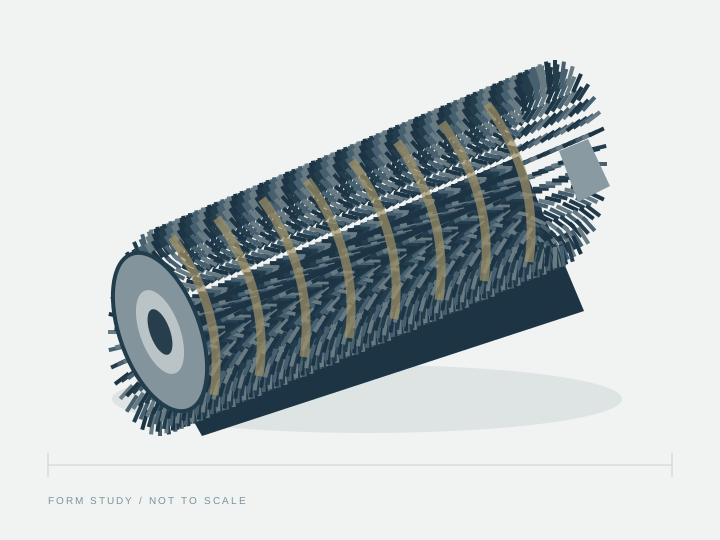
For a disc brush, record the outside diameter and the details of the central mounting interface. For a cylindrical brush, record overall length, outside diameter and both end fittings. A drawing with labeled measurements is more useful than an unlabeled close-up.
4. Consider the floor and cleaning task
Tell the supplier about the floor finish, debris, cleaning method and the bristle material currently used, if known. Material names alone do not establish suitability. Review the machine and floor-care guidance and assess a proposed brush before broad use.
5. Confirm before ordering
Compare the proposed replacement against the dimensions and interface information you supplied. Confirm the quantity and any delivery requirements in the quotation. Keep the agreed specification with your purchasing records.
A useful inquiry checklist
- Machine brand and exact model.
- Readable old-brush reference, if available.
- Diameter or length and mounting photos.
- Floor surface, bristle preference and quantity.
Browse the brush catalog or submit a compatibility request. Specific fitment must be confirmed with real product information.